The Loyalist Trail
Explore the Other Half of Revolutionary History

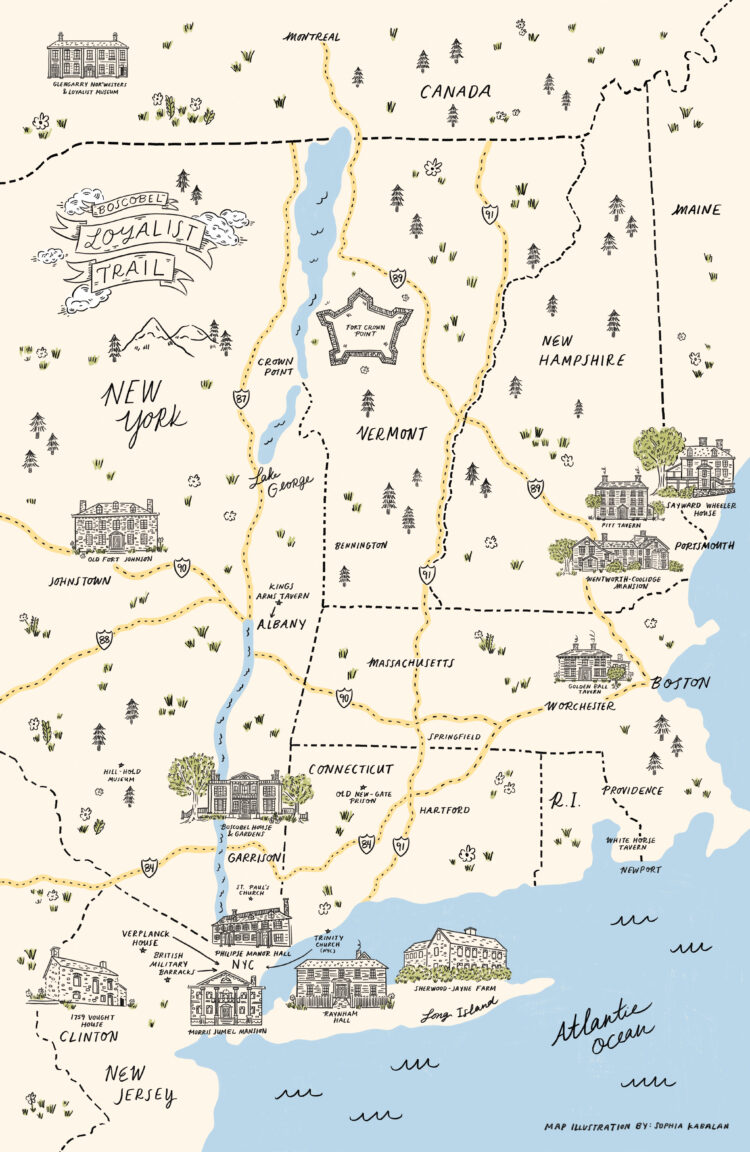
Partner Sites
The Loyalist Trail is supported thanks in part to funding from:

Explore Stops on The Loyalist Trail:
- Click to jump to a specific topic:
- 1759 VOUGHT HOUSE
- BOSCOBEL HOUSE AND GARDENS
- FORT CROWN POINT
- GOLDEN BALL TAVERN MUSEUM
- MORRIS-JUMEL MANSION
- OLD FORT JOHNSON
- PHILIPSE MANOR HALL
- PITT TAVERN, STRAWBERY BANKE
- RAYNHAM HALL
- SAYWARD-WHEELER HOUSE
- SHERWOOD-JAYNE FARM
- THE GLENGARY NOR’WESTERS & LOYALIST MUSEUM
- WENTWORTH-COOLIDGE MANSION
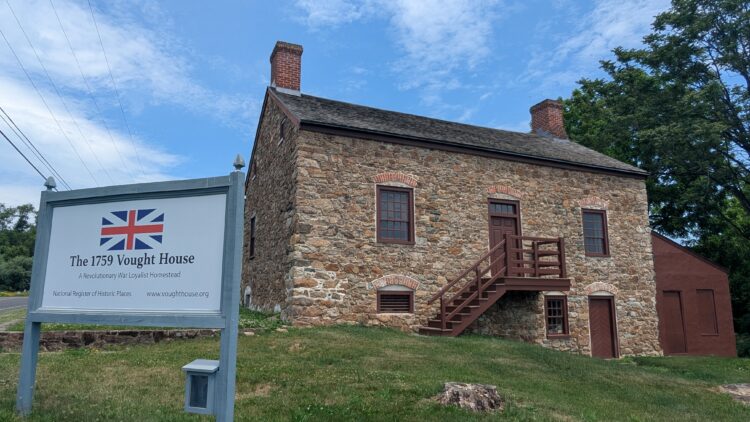
1759 Vought House | Clinton, NJ
The 1759 Vought House was built on 285 acres of Hunterdon County farmland purchased by Christoffel “Christopher” Vought in 1759. Constructed of stone and hand-hewn timbers, the house features rare wattle-and-daub walls and ceilings and ornamental plaster designs, the most extraordinary being a motif of a serpent winding the length of the center hall ceiling with its head turned back to face the main entry.
By the early 1770’s, the Vought farmstead had grown to nearly 500 acres and Christopher and son John had attained positions of prominence in the community. As years of colonial grievances with Great Britain spawned growing calls for rebellion, both father and son were staunch Loyalists. When the rebel New Jersey Provincial Congress ordered local militias to prepare for the defense of New York, John Vought was issued a summons to appear due to his entire company’s refusal to turn out.
Local tensions erupted on the night of June 24, 1776, when John and Christopher Vought led a mob of two dozen Loyalists armed with clubs in a raid on the tavern house of their neighbor, Thomas Jones. Jones was an ardent Patriot rebel, a delegate to the New Jersey Provincial Congress, and a Captain in the Hunterdon militia. Acting on an order from the NJ Provincial Congress to apprehend the Loyalist “insurgents” involved in the attack on Captain Jones, the Patriot militia marched to the Vought House and captured Christopher. Son John had managed to slip away undetected, but soon turned himself in upon hearing of his father’s capture. They were held at the jail in Trenton for approximately five days, then released and fined 100 pounds each by the NJ Provincial Congress on July 31, 1776.
In December of 1776, Christopher and John Vought led a large party of local Loyalists on a daring journey through rebel militia assaults to reach British forces stationed at New Brunswick. John Vought was commissioned as Lieutenant and later Captain in the New Jersey Volunteers, the Provincial regiments that fought alongside British regulars during the War for Independence. John and his father were stationed on Staten Island with British forces throughout the war.
Left behind to manage the farmstead, Cornelia and daughter-in-law Mary Vought, with two enslaved servants, bore the brunt of the hardships of war. In 1778, the family household goods and livestock were confiscated and sold at auction. In April 1779, the real estate was sold at auction. The Voughts would never see their home again.
At the end of the war in 1783, the Vought family set sail for exile in Nova Scotia. In 1792, they finally returned to the new United States and resettled outside Albany, NY.
https://voughthouse.org/
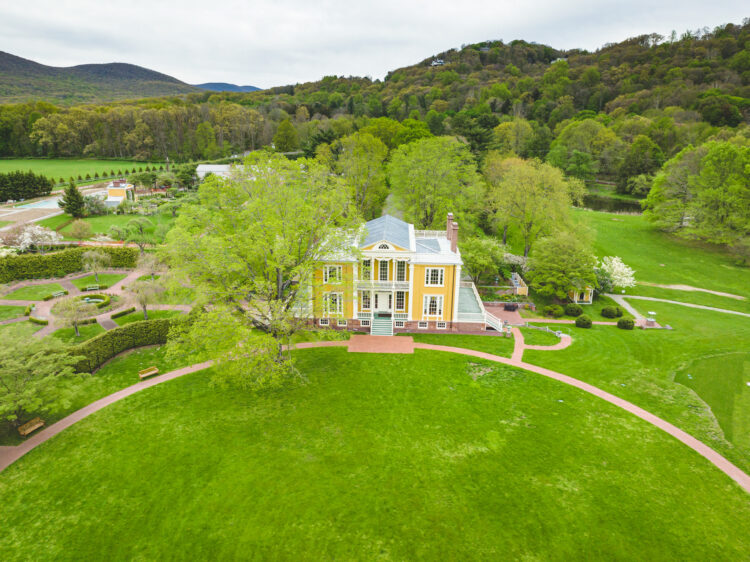
Boscobel House and Gardens | Garrison, NY
Built between 1804 and 1808, Boscobel was the vision of States Morris Dyckman, a New York–born Loyalist who was arrested in 1776 for his allegiance to the Crown and later worked with the British Quartermaster’s Department during the war. Like many Loyalists, he faced uncertainty in the war’s aftermath, but his defense of the Quartermasters’ questionable financial accounts before British auditors in London secured him a vast fortune. With this compensation, Dyckman returned to the Hudson Valley determined to build a house that reflected both his success and enduring allegiance to Britain. Despite his lofty aspirations for the structure, Dyckman died in 1806 before it was completed. His widow, Elizabeth Dyckman, oversaw its completion, living at Boscobel with her son Peter and their servant Sarah (Sill) Wilkinson, who earned her freedom upon States’s death.
Although constructed more than two decades after American independence, Boscobel’s architectural language speaks clearly to Dyckman’s Loyalist identity and admiration for British aristocratic life. The house is a masterwork of Neoclassical design, first popularized in Britain by architects such as Robert Adam, which emphasized symmetry and proportion. The name “Boscobel” itself, borrowed from the English estate associated with King Charles II’s escape after the Battle of Worcester, further underscores Dyckman’s affinity for British history and monarchy. The house stands as both a personal statement and a cultural bridge, blending post-Revolutionary American identity with sentimentality for British peerage.
Today, Boscobel is an esteemed Historic House Museum, home to one of the finest collections of Federal-period decorative arts in the United States, with interiors showcasing exceptional examples of early American craftsmanship.
boscobel.org
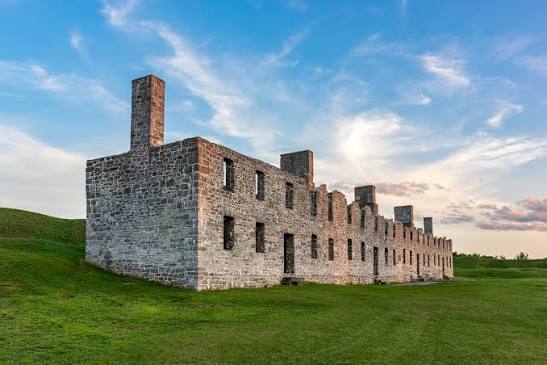
Fort Crown Point | Crown Point, NY
Crown Point State Historic Site is dedicated to the preservation and interpretation of the ruins of two fortifications from the colonial wars between the British and French. Long before the American Revolution these colonial powers both laid claim to the Champlain Valley and this strategically important peninsula known as Crown Point. The French built Fort St. Frederic here between 1734 and 1737 and used it as a base for raids on British settlements in New York and New England. As a result, the British mounted various expeditions to take control of Crown Point, and in 1759, they were finally successful. They immediately began construction of new fortifications that they called “His Majesty’s Fort of Crown Point”. Enclosing over seven acres this was one of the largest built by the British in North America.
In 1775, at the outbreak of the Revolutionary War, the American colonists captured the fort and secured sorely needed cannons and heavy ordnance. Crown Point was occupied by General John Burgoyne’s army in 1777 after the American evacuation to Mount Independence and remained under British control until the end of the war. The ruins of Fort St. Frederic, “His Majesty’s Fort of Crown Point,” and surrounding lands were acquired by the State of New York in 1910.
https://parks.ny.gov/visit/historic-sites/crown-point-state-historic-site
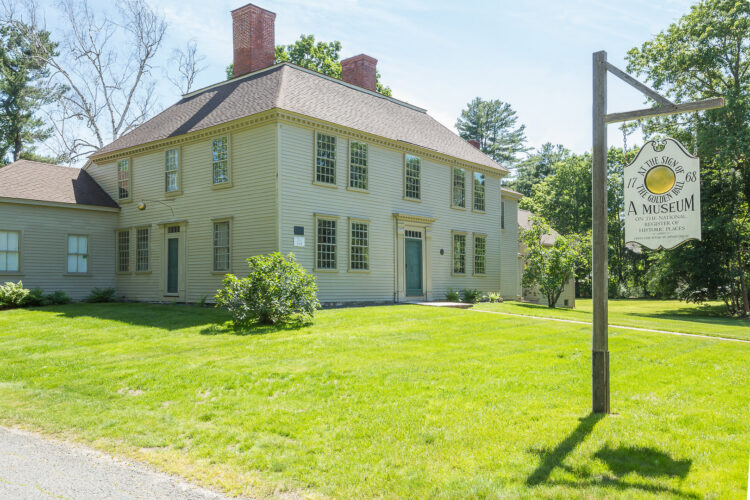
Golden Ball Tavern Museum | Weston, MA
The Golden Ball Tavern Museum offers visitors a different perspective on the American Revolution. Our museum, housed in a historic Pre-Revolutionary home and tavern in Weston, Massachusetts, tells the other side of the story – that of the Loyalists during the War of Independence. Notably, the Museum is among only a handful of institutions in the country dedicated to bringing to life the Loyalist experience.
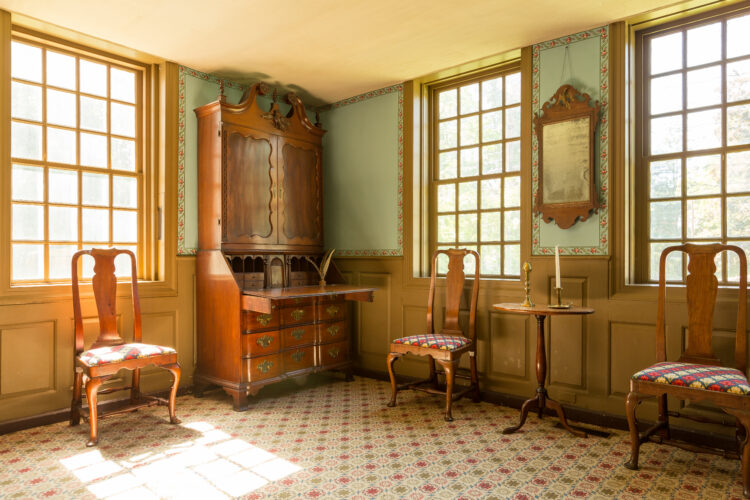
The Tavern was opened in 1770 by Isaac Jones, a Loyalist (or Tory) who advocated compromise over conflict with Great Britain at considerable personal risk. He ultimately joined the Patriot cause and went on to make significant contributions to the new republic.
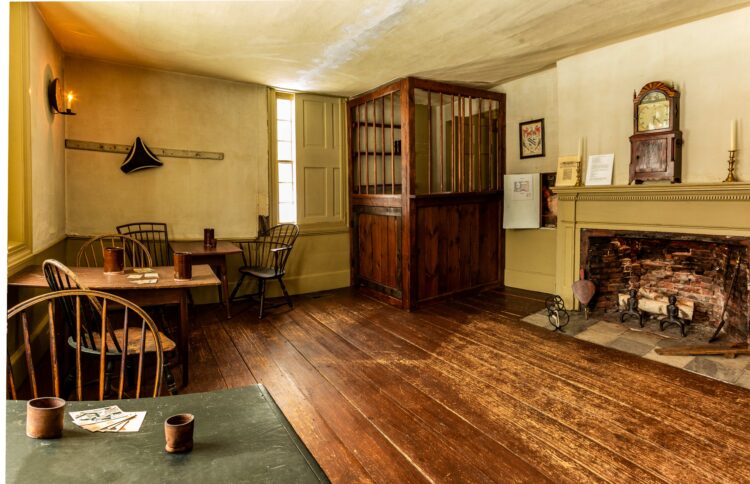
The Museum also tells the story of the six generations of the Jones family – Isaac’s direct descendants – who lived here for nearly 200 years up until the 1960s. The original house and tavern (built by Isaac 1765-1768) have been preserved in ways that allow each generation’s stories to come to light by exposing the structural layers of change specific to each time period. More than 80 percent of the items in the Museum’s collections are original to the Jones family. The Museum is listed on the National Register of Historic Places and is entirely self-sustaining.
Hours & Admissions
January: Closed
February – December: Thursdays, 10am-4pm
Admission closes at 3:30pm
FREE Second Sundays of every month: 1pm-3pm
Closed Easter, Thanksgiving, Christmas Eve, Christmas Day, New Year’s Eve
Adults: $12
Seniors and Retired Military: $10
Children: FREE
Group Rates Available
662 Boston Post Road
Weston, MA 02493
781-894-1751
Morris-Jumel Mansion | New York, NY
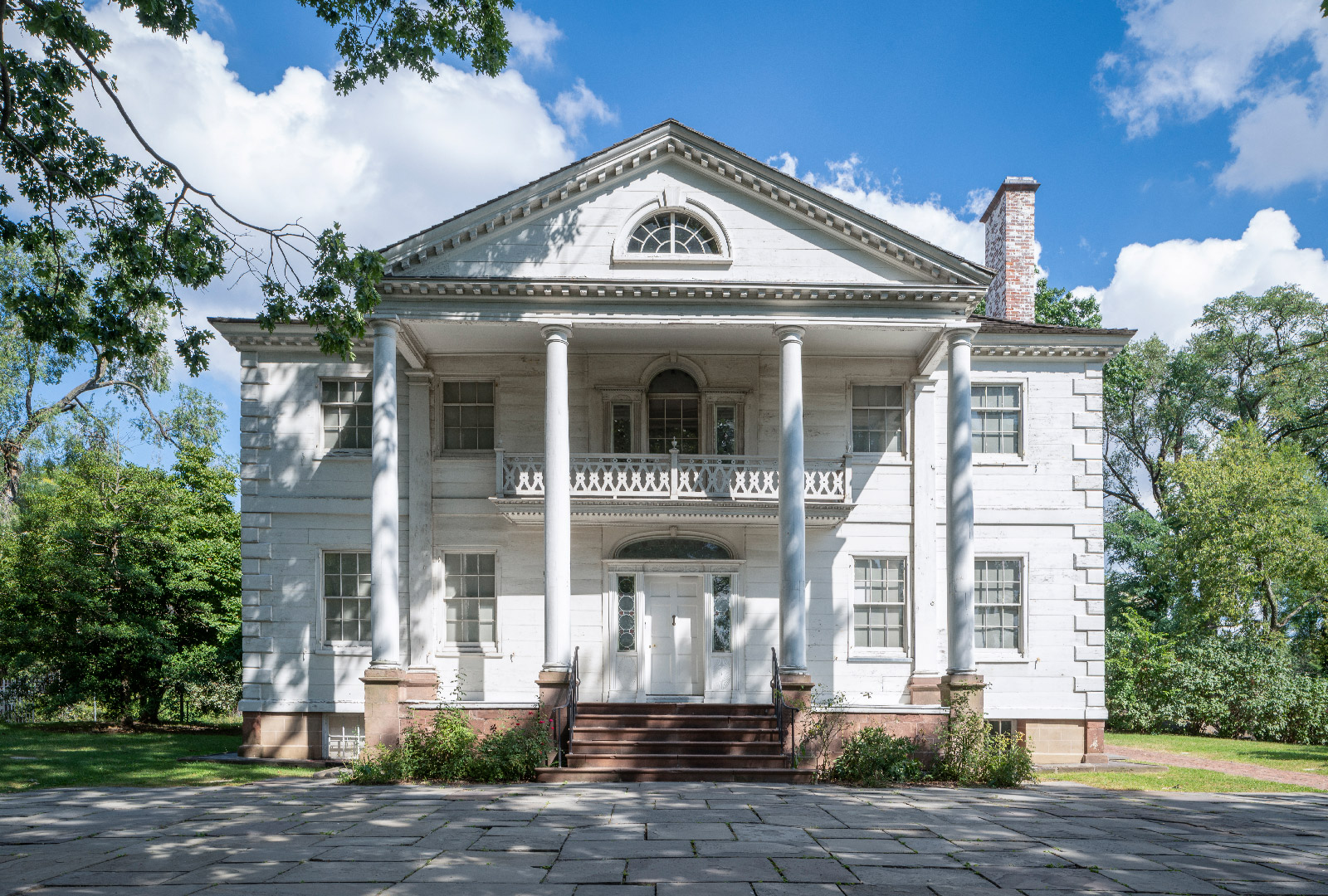
As the oldest surviving house in Manhattan, the Morris-Jumel Mansion has borne witness to much of New York City’s rich and diverse history. Built in 1765 for the Morris family, the original property, located on the ancestral homeland of the Lenape people, comprises fifty modern city blocks. The house would later serve as the headquarters for General George Washington as well as the British military and Hessian troops during the American Revolution. After serving as a tavern for a number of years, Stephen and Eliza Jumel purchased the house in 1810, and embarked on a series of major renovations, reflective of contemporary nineteenth-century tastes. Thanks to the stewardship of the last private owners of the property, Ferdinand and Lillie Earle, the home became a museum in 1904.
Old Fort Johnson | Fort Johnson, NY
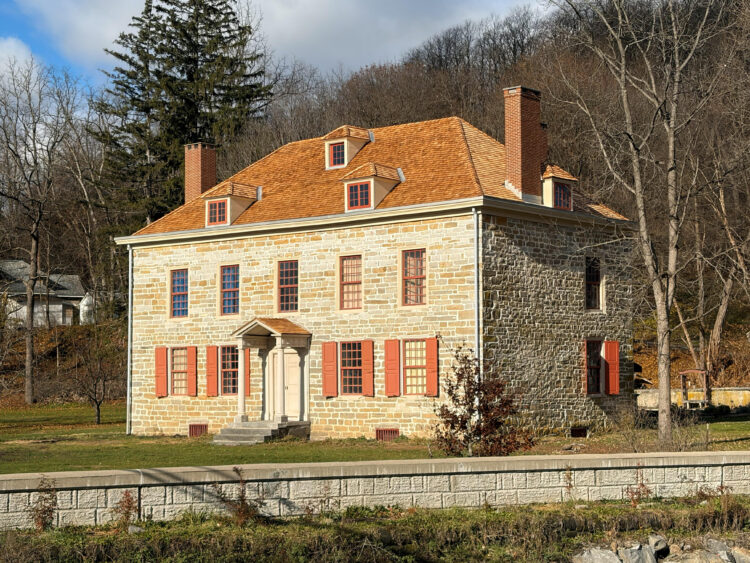
Old Fort Johnson was built in 1749 as the home of Sir William Johnson (1715-1774.) Johnson won his fame as a military commander in the Seven Years War, defeating a French army at the Battle of Lake George in September 1755 and later at Fort Niagara. Sir William, the 1st Baronet of New York, served as the British “Superintendent of all the Affairs of the Six Nations and other Northern Indians” from 1756-1774. During the war the house was fortified with a stockade, blockhouses and troops. It was an important military post and Native Council site until 1763 when Johnson moved to Johnson Hall in Johnstown.
 His son, John Johnson (1742-1830), stayed in “Old Fort Johnson” and renovated the house, removing all of the fortifications to create an elegant English manor. On his father’s death, John moved to Johnson Hall where he only lived a few years before being forced to flee to Canada in 1776 to escape American troops. He returned on raids to the Mohawk Valley leading Loyalist regiments throughout the Revolution. All the Johnson properties and furnishings were sold at auction by the New York Commissioners of Sequestration. In
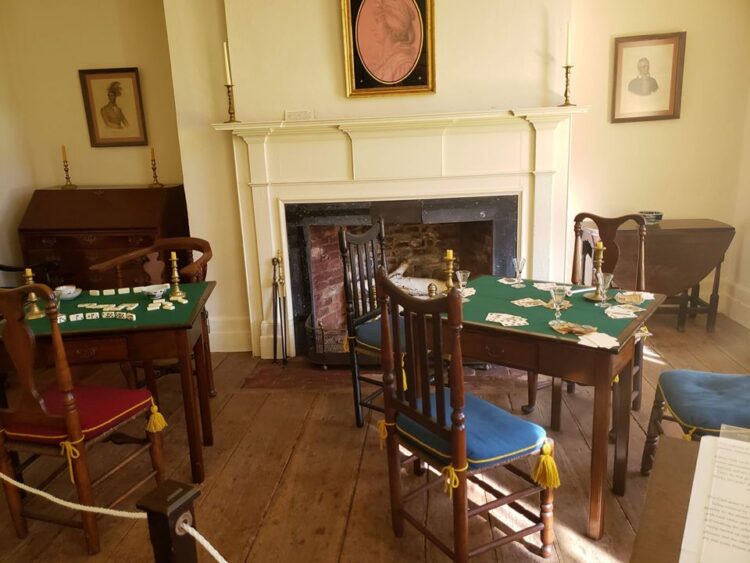
later years, Sir John Johnson became a leader in the settlement of Loyalists in Upper Canada. The house remained a private home until 1905 when it was acquired by the Montgomery County Historical Society and opened as a museum with period rooms, Johnson family artifacts and collections covering three centuries of Mohawk Valley history. It is open from June to October, Wednesday through Saturday from 10-4 and Sundays from 1-5. A full calendar of summer events and visitor information can be found at the website:
Philipse Manor Hall State Historic Site | Yonkers, NY
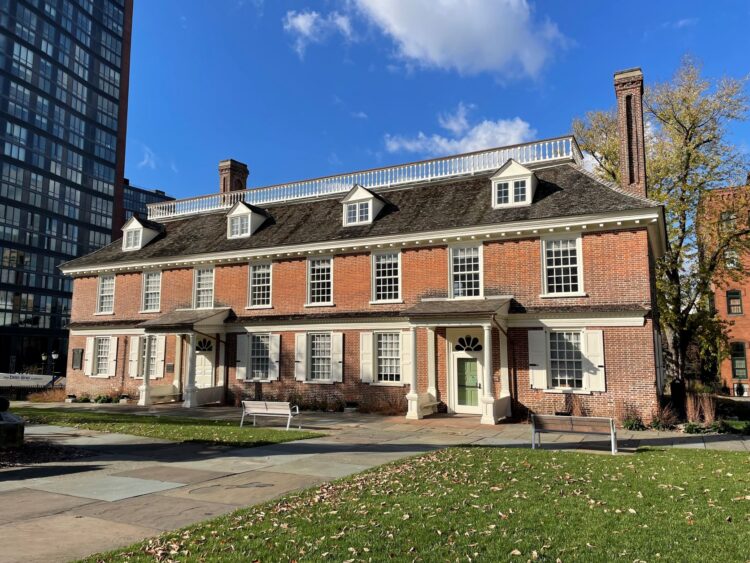
Philipse Manor Hall State Historic Site in downtown Yonkers, NY dates back to the 1680s and today houses an award-winning state-of-the-art museum. Philipse Manor Hall was built by the ultra-wealthy Philipse family, who during the American Revolution were staunch Loyalists. Frederick Philipse III was imprisoned for his Loyalist politics, many of his nephews, and his brother-in-law Beverly Robinson served in the British military. Frederick III, his sisters Susannah Philipse Robinson and Mary Philipse Morris were all listed in the 1779 New York Act of Attainder, which seized the 52,000-acre Philipse Manor and most of the Philipse Patent (today, Putnam County).
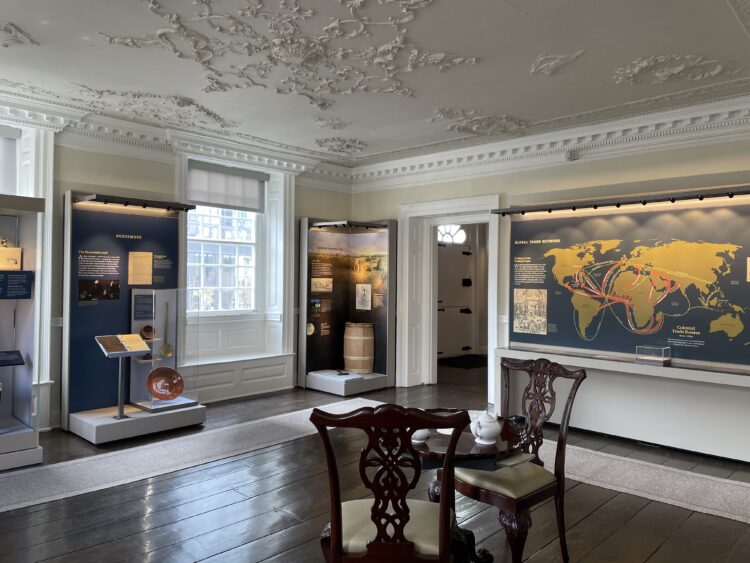 Philipse Manor itself was host to a number of Loyalist tenant farmer families, including the Purdys, Underhills, Valentines, and more. In the summer of 1779, Philipse Manor Hall served as headquarters to British Commander-in-Chief General Sir Henry Clinton as he launched his attack on Stony Point and Verplanck’s Point. Upon returning on June 30, 1779, he issued the Philipsburg Proclamation, which offered freedom to any person in the colonies, enslaved by a “Rebel,” who made it to British lines. Thousands of enslaved people, including those enslaved by Patriot tenants of the Philipses, escaped to the British in New York City and evacuated with the British in 1783. The Philipses themselves went to England, and were eventually compensated for their losses by the British crown.
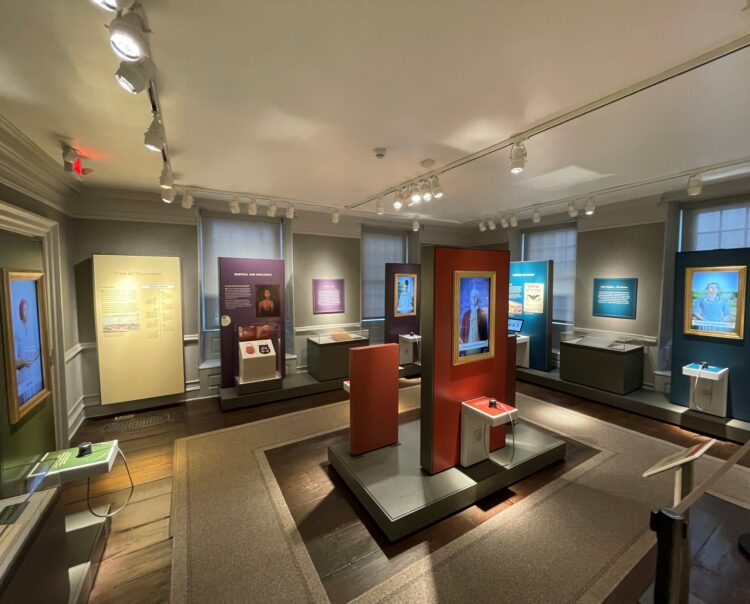
Philipse Manor Hall State Historic Site (29 Warburton Ave. Yonkers, NY) is open year-round, Wednesday – Sunday, 10 am to 5 pm. Tickets are $6 for adults, $3 for seniors and students, and children 12 & under get in free. The museum is self-guided, but guided tours are available several times a day, included in the admission fee.
https://www.philipsemanorhall.com/
Pitt Tavern | Portsmouth, NH
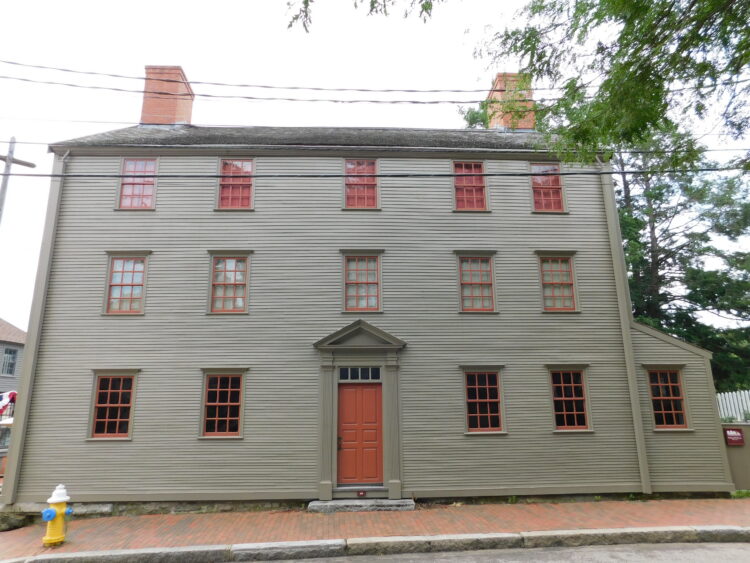
The historic Puddle Dock neighborhood of Portsmouth, New Hampshire, now encompassed by Strawbery Banke Museum, was undoubtedly home to both Patriots and Loyalists during the uncertain years of the American Revolution. Historically, Puddle Dock was a bustling maritime neighborhood with many residents conducting business from private homes or nearby shops and warehouses. Several of these historic structures are preserved at Strawbery Banke Museum, including the Sherburne House (1695), Oracle House (1702), Marden-Abbott House (1720), Penhallow-Cousins House (1750), Stoodley’s Tavern (1761), Chase House (1762), and the William Pitt Tavern (1766). Among these, just the Sherburne House, Marden-Abbott House, Chase House, and William Pitt Tavern remain on their original sites; the others having been moved to Puddle Dock from elsewhere in Portsmouth during the 19th and 20th centuries. As the only historic house at Strawbery Banke Museum furnished to the late 18th century, the William Pitt Tavern provides an excellent opportunity for museum visitors to explore questions of political affiliation and social tension in the Revolutionary Era.
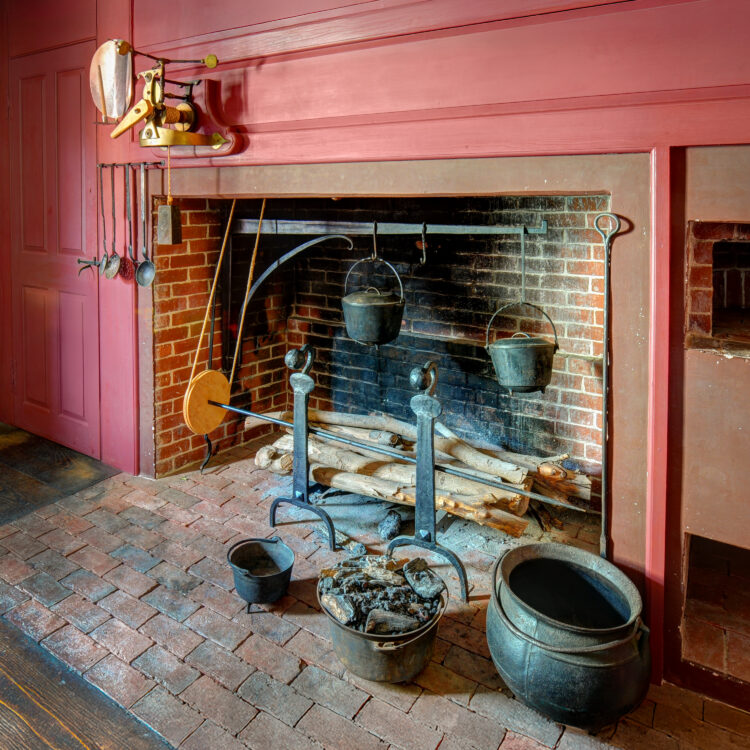
In 1777, Pitt Tavern was the home of John Stavers, his wife Katharine, their five youngest children, and James, the man Stavers enslaved. Stavers and his brother Bartholomew immigrated from Cambridgeshire, England and quickly established themselves as men of business. John began operating a tavern in Portsmouth as early as 1754, and by 1766 he had constructed the three-story structure that stands on the grounds of Strawbery Banke Museum today. Stavers’ Earl of Halifax Tavern became a popular gathering place for locals and travelers alike, providing food, drink, lodging, and a public space for events and socializing. It also served as the Portsmouth terminus of Bartholomew Stavers’ the Flying Stage-Coach, which transported travelers and mail between Portsmouth and Boston. During the American Revolution, both John and Bartholomew Stavers came under suspicion as loyalists. In 1774, Bartholomew fled Portsmouth and returned to England, leaving behind his pregnant wife and several children. He was later declared a “Notorious Enem[y]” in an act to prevent the return of loyalists passed by the New Hampshire legislature. John Stavers remained in Portsmouth, continuing to operate the tavern and stage coach business despite repeated accusations. In early 1777, a mob demonstration at the Earl of Halifax Tavern led to John Stavers’ arrest, eventual release, and the official clearing of his name by the Portsmouth Committee of Safety. Ultimately, John Stavers’ political allegiance remains unclear, but the dichotomy between the Stavers brothers helps us to re-examine some of the serious tensions that pulled families and communities apart during the Revolution.
https://www.strawberybanke.org/
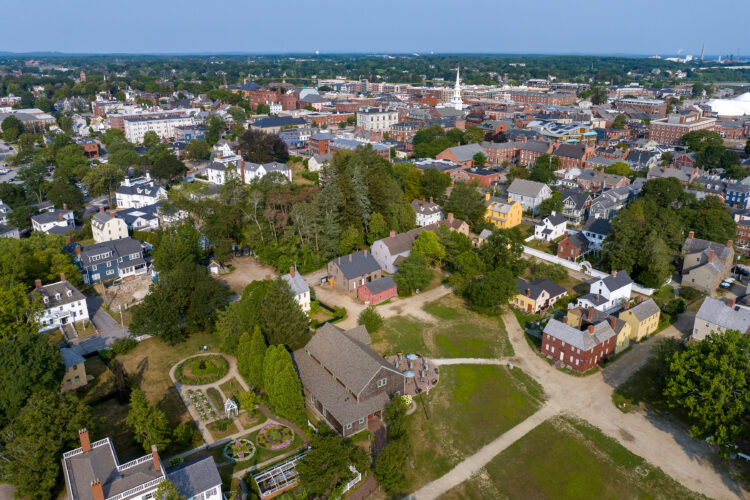
Hours of Operation:April 24-November 1, 2026
Self-Guided Tours (General Admission)
Wednesdays–Mondays
10 AM–4 PM
Extended Summer Hours:
Saturdays & Sundays in July & August
10 AM–5 PM
Guided Tours:
June 23-October 27, 2026
Tuesdays only
10 AM–2 PM
Admission:
Adult: $25.00
Senior (65+)/Student: $23.00
Child (ages 5 – 17): $12.50
Child (under 5): Free
Family (2 Adults & Children): $62.50
Raynham Hall | Oyster Bay, NY
Loyalist Connection
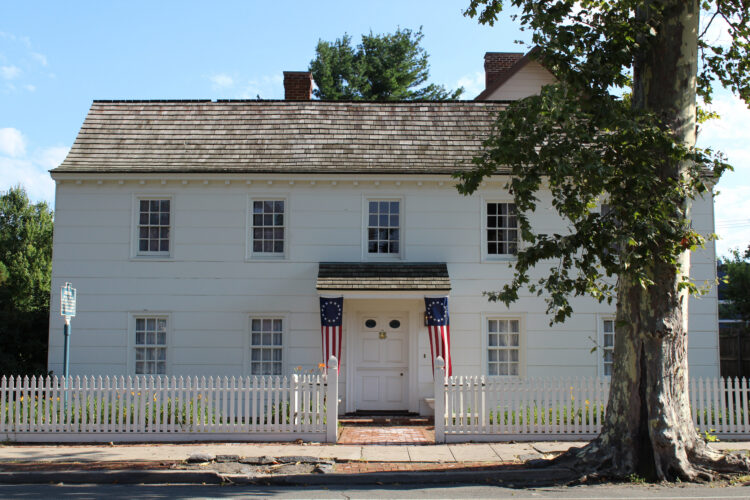
The Townsend home—now known as Raynham Hall Museum—is best known as the residence of Robert Townsend, a key spy for George Washington in the Culper Spy Ring. However, the house also has notable Loyalist ties.
Samuel Townsend, Robert’s father and a Patriot, maintained close business relations with Loyalist merchant Thomas Buchanan. Buchanan—who was married to Samuel’s niece—paid a substantial sum, reportedly several thousand pounds, to secure Samuel’s release after he was arrested by the British for speaking out against their occupation.
From 1778 to 1779, the Townsend home served as headquarters for the Queen’s Rangers, a British regiment of more than 300 troops commanded by Lt. Col. John Graves Simcoe. Simcoe quartered himself in the house alongside the Townsend family, and British officers held daily meetings in the front parlor, making their presence a constant part of household life.
In March 1779, Simcoe hosted his close friend, British intelligence officer John André, who stayed for several weeks. André would later be executed in 1780 for his role in aiding Benedict Arnold in his attempted defection to the British.
Visitor Information
Raynham Hall Museum is open for public tours Tuesday through Sunday.
Guided Tours: 1:00 PM and 3:00 PM (Wednesday, Friday, Sunday)
Self-Guided Augmented Reality Tours: Hourly from 1:00 PM to 4:00 PM (Tuesday, Thursday, Saturday)
Admission:
Adults: $15
Seniors & Students: $10
Children (5 and under): Free
Sayward-Wheeler Hosue | York Harbor, ME
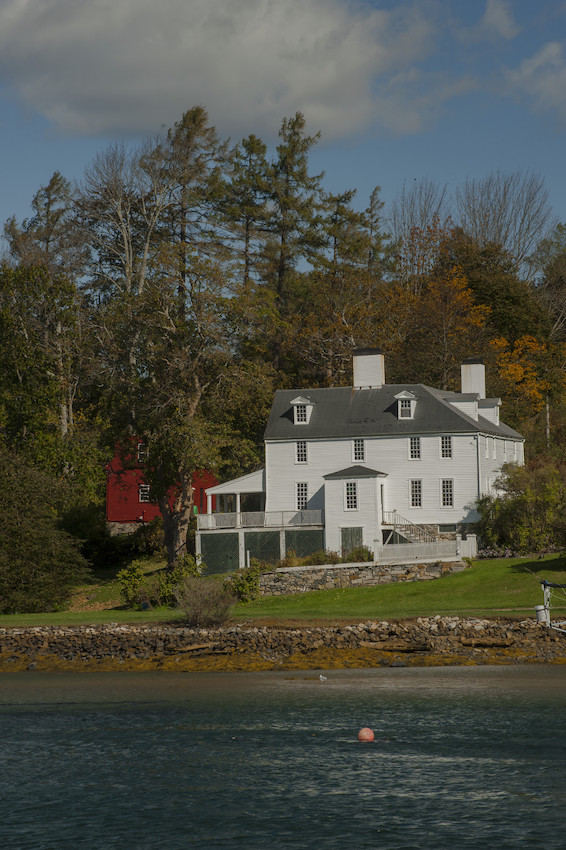
Overlooking the York River, free and enslaved people lived at the Sayward-Wheeler House as the dramatic events of the American Revolutionary War unfolded around them. Jonathan Sayward, a wealthy and prominent community leader, was a judge and merchant who remained a Loyalist despite pressure to support the Patriot cause. As a member of the seventeen “Rescinders,” Sayward was stripped of his civic positions in 1775 and placed under house arrest, no longer able to conduct business or make social calls. However, he was able to retain ownership of his house and assets. This period of seclusion was short-lived, and he was eventually able to return to his social circles and business affairs, though his finances never fully recovered.
While their enslaver kept his loyalty to the Crown, enslaved household members Prince and Cato sought freedom and eventually joined the Continental Army toward the end of the war. Prince returned from the war a free man but continued to have a working relationship with Sayward. Cato purchased his freedom after the war, but his life after manumission is unknown.
The Sayward-Wheeler house is open for guided tours on Saturdays from June 6-
October 10, 2026.
Tours start on the hour from 11:00 a.m. to 3:00 p.m.
Admission is $15.00 and free for Historic New England members.
Reserving your tickets in advance is highly recommended and can be done through the
Historic New England website
Link to tickets: https://www.historicnewengland.org/property/sayward-wheeler-house/
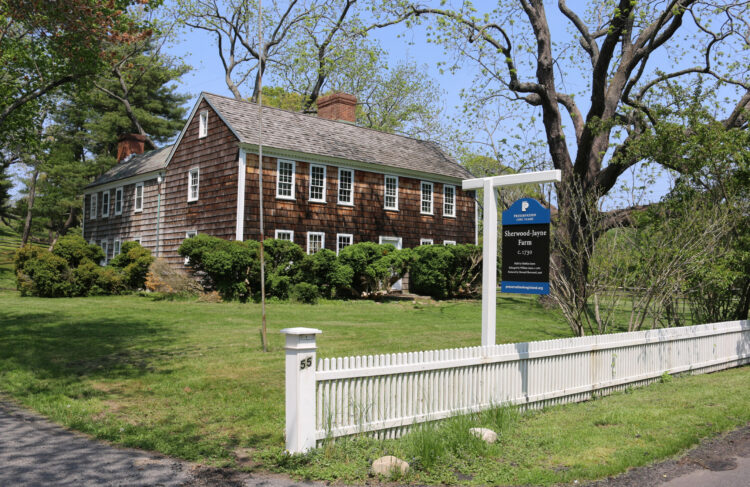
Sherwood-Jayne Farm | East Setauket, NY
One of Preservation Long Island’s four historic properties, the Sherwood-Jayne Farm attests to nearly three centuries of history on central Long Island. Established by the Jayne family in 1730, the farm was situated along trading networks that carried its products to ports along the Long Island Sound. William Jayne II was Loyalist during the American Revolution, and his son was taken hostage and involved in a prisoner exchange during the War.
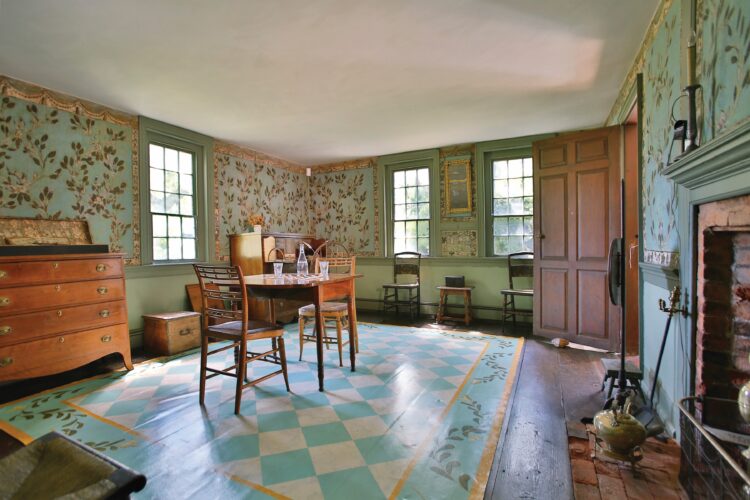
The Jaynes remained on Long Island after the War and became prominent figures in the Town of Brookhaven, embraced by the new nation they once opposed. In 1908, attorney and preservationist Howard Sherwood acquired the property from the Jayne family. Inspired by the Colonial Revival movement, he furnished the house with antiques, restored the interior wall paintings, and adopted traditional farming practices. The house survives today in its original agricultural context, showcasing the historic architecture, material culture, and lifeways of central Long Island.
The Sherwood-Jayne Farm is open for guided tours on Saturdays, 11am-3pm from June to October. Tickets can be purchased on site or in advance at preservationlongisland.org/tours
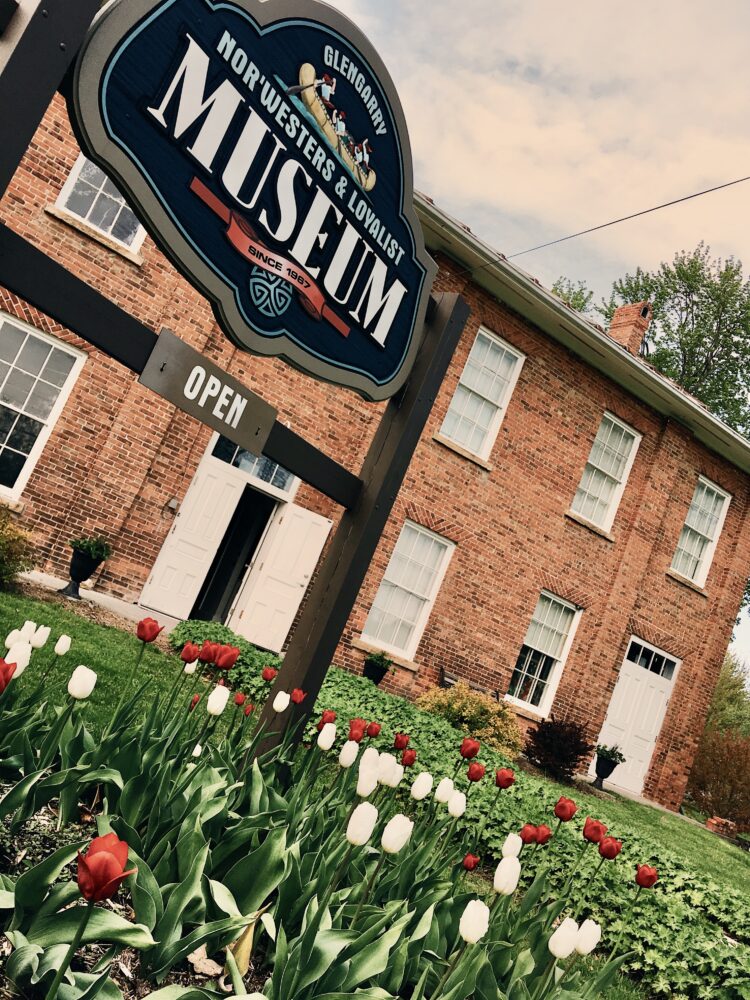
Glengarry, Nor’Westers & Loyalist Museum | Williamston, ON
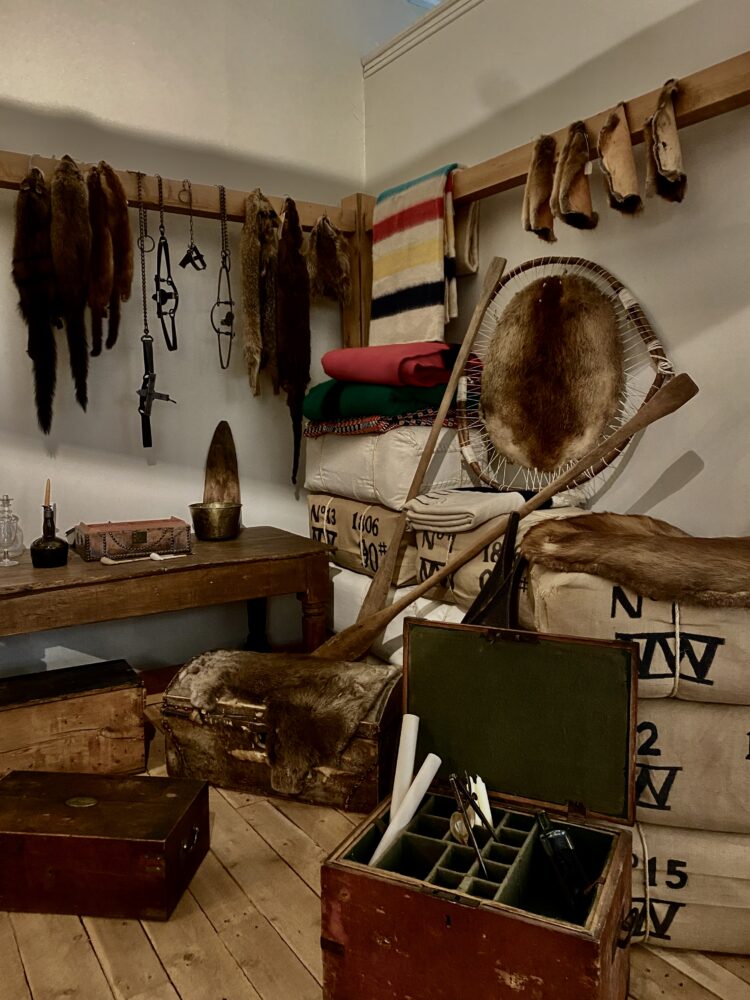
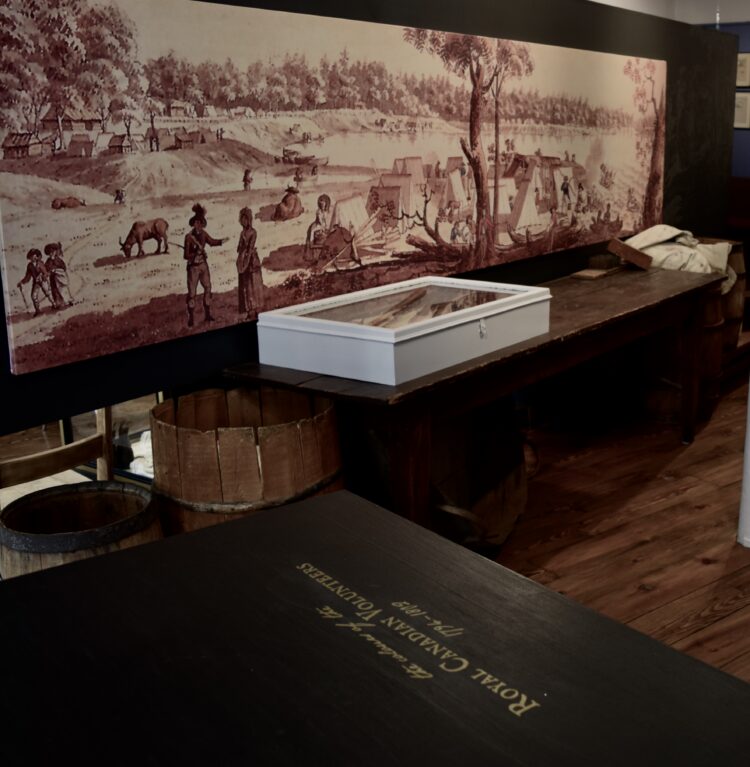
Formerly a school, the Glengarry, Nor’Westers & Loyalist Museum houses a comprehensive permanent exhibit on the loyalist migration to and settlement of what is now known as Glengarry County. The specific branch of loyalists that settled the area were the former tenants of the Johnson family who resided in the Mohawk Valley, namely Highland Scots, and their lineage can be traced back in the muster rolls of the King’s Royal Regiment of New York. Our loyalist exhibit is home to some truly rare artefacts, such as the King’s Royal Regiment of New York silver sword belt plate which belonged to Captain John McKenzie and is the only known surviving example of its kind, dating from the first clothing period of the KRRNY from 1776-1779. This fine piece is just one of many in our extensive loyalist collection. Also in the museum is our Nor’Westers exhibit which pays tribute to the story of the North West Company of the fur trade and early North American exploration. Given the Nor’Westers strong ties to Glengarry County, the exhibit also features original 18th century pieces, passed down through the generations and preserved dutifully by our institution. Rotating art and history displays, as well as events and educational experiences, pair with our permanent exhibits in what we offer the community. In terms of primary artefacts and immersive history telling, the Glengarry, Nor’Westers & Loyalist Museum is more than well worth a visit.
Situated in the historic village of Williamstown, the museum sits on land originally granted to the community by Sir John Johnson for the purposes of education. Williamstown, named by Sir John in honour of his father, the late Sir William Johnson, is also home to historic sites such as the Sir John Johnson Manor House (where the original milling complex was built by Sir Johns order), the Bethune-Thompson House (built in the late 1700s by loyalist Peter Ferguson and home of prominent loyalist, Reverend John Bethune and the famed explorer, David Thompson), and the St. Andrew’s United Church cemetery, one of Ontario’s designated Loyalist cemeteries. These sites all operate within a square mile of each other and guided tours of the village are available for those visiting. Sir John Johnson, considered a founding father of Upper Canada, was responsible for settling thousands of loyalist refugees along the St. Lawrence River in what is now the province of Ontario. Upon survey and settlement, the area was seen as easily accessed through the river way of the mighty St. Lawrence but also defensible in case of future attack from the newly formed United States of America. At present, much of the area surrounding Williamstown is beautifully preserved by farmland with the lesser sized Raisin River wending its way through the landscape and making for a peaceful picturesque drive. Just 15 minutes from the US/Canada border crossing at Massena and Cornwall, the historic village of Williamstown is a close-to-home worthwhile visit for anyone wanting to learn more about the loyalist migration northwards in the wake of the Revolutionary War.
Royal Governor Benning Wentworth Mansion | Portsmouth, NH
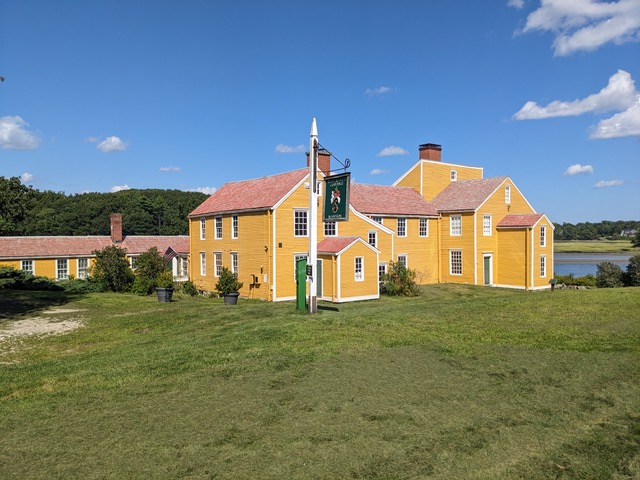
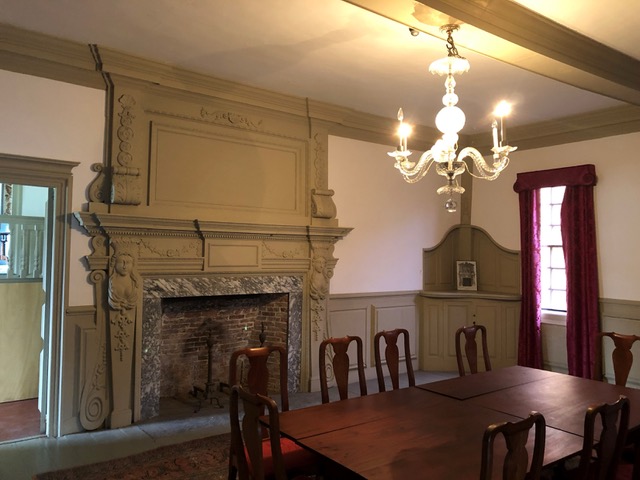
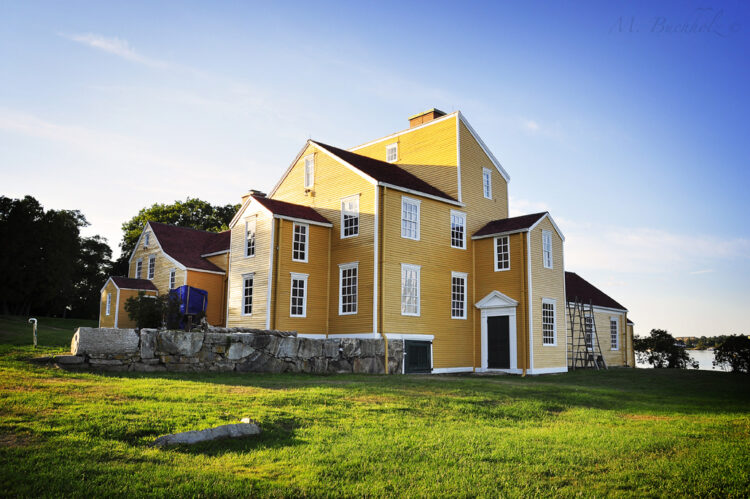
The Benning Wentworth Mansion is the centerpiece of the Wentworth-Coolidge State Historic Site and sits on a point overlooking Little Harbor in Portsmouth, NH. Named for the first Royal Governor of New Hampshire, the rambling house was built in 1750. It consists of four distinct building frames, one of which Wentworth based on English ballrooms and their various withdrawing rooms. The idiosyncratic architecture of the house gives no hint of its fine 18th-century interior. The elaborately carved mantlepiece in the Hall is derived from designs found in English architectural books, and this mantelpiece influenced the decoration of many other houses in the area. The parlor still has its 18th-century flocked wallpaper on the walls, as does the principal bedroom.
In the mid-18th century, the Wentworth family was among richest and most powerful Loyalist families in New Hampshire. John Wentworth (1671-1730) built the family fortune on lumber and the Atlantic trade, creating a merchant empire that impressed both the London establishment and the Crown. Using those contacts, John Wentworth was elevated to the position of Lt. Governor of New Hampshire, serving under the Royal Governor of Massachusetts. By 1741 New Hampshire was recognized as a Royal province, and John’s son, Benning Wentworth became the first Royal Governor of Province of New Hampshire, a position he held for twenty-six years. He was succeeded by his nephew John as the second and last Royal Governor who served until he was forced to flee the rebellious colony in 1775.
The Wentworth-Coolidge Historic Site is located at 375 Little Harbor Road, Portsmouth, New Hampshire. The grounds and trails are open from dawn to dusk all year. The Mansion is open from Memorial Day weekend to Columbus Day/Indigenous Peoples’ Day weekend. Guided tours of the Mansion are available from 10am-4pm Friday-Monday. Tours leave on the hour, with the last of the day at 3pm (10am, 11am, 12pm, 1pm, 2pm, 3pm).
Fees for tours of the Mansion:
NH Resident 17 or Under: $0
NH Resident Adult: $4
NH Resident Over 65: $0
Non-Resident 5 or Under: $0
Non-Resident Ages 6-17: $3
Non-Resident Adult: $5